

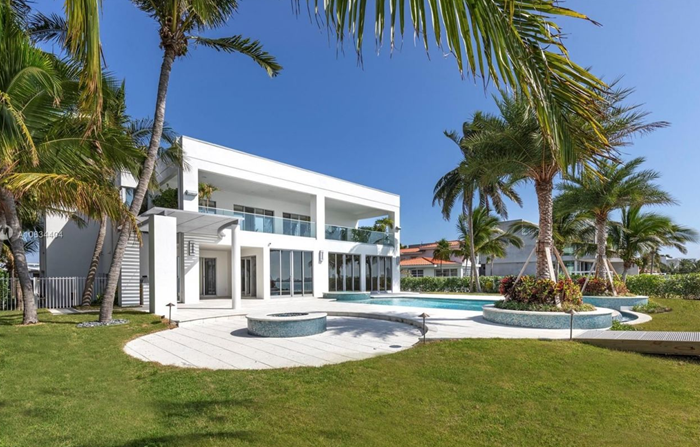
Building a home in Miami begins with considering the local climate, proximity to the ocean, and hurricane-resistant building requirements.
In this region, proper site selection, detailed engineering preparation, and the use of materials designed to withstand high humidity, salt air, and strong wind loads are essential.
Work typically includes design, approvals, site preparation, structural construction, installation of utility systems, and final acceptance. To reduce risks and manage deadlines, many prefer to order construction from floridahomebuild.com, comparing contractors’ approaches and the scope of work in the contract.
Main Construction Stages: From Foundation to Delivery
In Miami, monolithic concrete and concrete masonry unit (CMU) technologies are common, as are solutions that enhance hurricane resistance, such as reinforced fastenings, impact-resistant windows and doors, and a robust roofing system. The work sequence is structured to minimize downtime and protect the structure from precipitation.
Design and Permitting
The project takes into account architecture, structural design, utility systems, and energy efficiency. For Miami, wind load calculations, roof fastenings, connection points, and compliance with local building codes are crucial. After preparing the documentation, a permit application is submitted, and inspections are conducted at key stages throughout the work.
Foundation and Load-Bearing Part
The type of foundation is selected based on survey results and site characteristics. A slab foundation with reinforcement and waterproofing solutions is often used. Load-bearing walls and floors are constructed of moisture-resistant materials that ensure the required building rigidity.
- Foundation: preparation of the foundation, reinforcement, concreting, level control.
- Waterproofing: protection against capillary moisture and water ingress into the structure.
- Frame and walls: reinforced concrete/CMU with reinforced ties and anchors.
Roof, windows, and external hurricane protection
The roofing system must withstand gusty winds and heavy rainfall. Reinforced fasteners, proper abutment joints, and a reliable underlayment are used. Windows and doors are selected to be impact-resistant or have protective solutions to reduce the risk of glazing failure during a storm.
Mechanical Systems, Finishing, and Commissioning
After the frame is erected, electrical, water, sewer, ventilation, and air conditioning systems are installed, paying attention to protecting equipment from corrosion and moisture. Then, interior and exterior finishing is carried out, plumbing fixtures and equipment are installed, and landscaping is completed. The process concludes with final inspections, system testing, and the preparation of documentation for the building’s handover.
Bottom Line: Building a house in Miami requires a combination of competent surveys, design calculations, and hurricane-resistant technologies. The more accurately the drainage, structural design, and protection of the building envelope are designed, the more reliably the house will perform in coastal climates.
Site Selection Criteria Considering Flood Zone, FEMA, and Elevation Marks
Site selection in Miami is directly related to flood risks, insurance requirements, and future costs for foundation design, drainage, and engineering protection. An error at this stage can lead to increased construction costs, floor elevation restrictions, and difficulties obtaining permits.
Key reference points include FEMA maps, the Flood Zone status of the property, and actual elevations. These should be verified before purchasing, comparing the legal data with the actual site topography and conditions.
What to Check Before Buying a Property
- FEMA Flood Zone (FIRM): Determine the risk zone (e.g., AE, VE, X) and the presence of a Special Flood Hazard Area (SFHA), where the requirements are most stringent.
- BASE Flood Elevation (BFE): Determine the base water level for a 1% annual flood risk; It affects the minimum permissible floor elevation and design decisions.
- Floodway Presence: If the site is located in a floodway, significant construction restrictions and approval complications may apply.
- Flood Insurance Rate Map and Data Relevance: Check the map date, updates, and local county/city requirements, which may be stricter than FEMA.
- Elevation Certificate (if available) or the need for one: This document confirms the elevations of key building points and often affects insurance costs.
- Actual Site Elevations: Order a topographic survey to understand elevations, low points, surface runoff directions, and the risk of water accumulation.
- Finished Floor Elevation (FFE) Requirements: Minimum finished floor elevation may require site elevation, higher foundations, pilings, or other solutions.Flood History: Inquire about past flooding, insurance claims, neighbor complaints, storm drain and canal conditions.
Soil and Drainage: Groundwater level, bearing capacity, drainage system requirements, possible backfill/fill restrictions.
Insurance Consequences: Assess whether mandatory flood insurance is required and how the zone and elevation will affect the premium.
- Check the address against FEMA (FIRM) maps to determine the Flood Zone, BFE, and floodway presence.
- Order A topographic survey and, if necessary, an Elevation Certificate for an objective assessment of elevations.
- Compare city/county codes with design solutions (FFE, foundation, drainage, allowable terrain changes).
- Estimate the budget, taking into account elevation, engineering protection, and insurance.
Bottom Line: An optimal site is not only about location and area, but also predictable flood risks, understandable elevations, and feasible FEMA and local code requirements. The more accurately you check the Flood Zone, BFE, and actual terrain before purchasing, the more stable your approval deadlines, construction budget, and home ownership costs will be.