

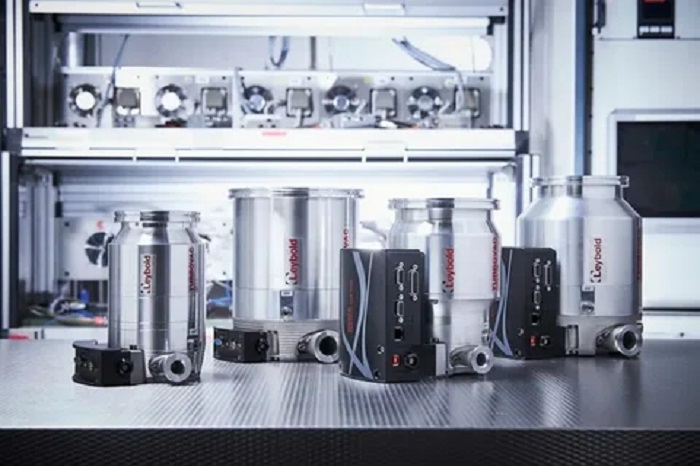
A laboratory or coating line does not buy “high vacuum” as an abstract number. It needs a system that reaches the required condition, fits the available space and is straightforward for operators to use. That is why choosing a turbomolecular pump unit should begin with the application rather than the largest model in a catalogue.
Start with what the process needs
Prepare the chamber size, target pressure, typical gas load and desired pump-down time. Add details about the process, available utilities and whether the equipment will run occasionally or as part of daily production. These facts give the supplier a much clearer picture than a request for “one high-vacuum pump.”
Laboratories may value compact installation and simple operation, while a coating line may put more weight on repeat cycles and integration with existing controls. The same pump is not automatically the best fit for both.
A complete unit can simplify the project
A turbomolecular pump normally works with supporting components. Century Hongtu describes JTFB vacuum units that combine a molecular pump with a mechanical backing pump, housing, control system, power supply, vacuum gauge and valves. Bringing these elements together can reduce the amount of separate sourcing and integration work.
Buyers can review the company’s wider range of Century Hongtu turbomolecular pumps and then explore the JTFB-300Y high vacuum unit as one available solution for industrial and scientific-research applications.
Think about the people who will use it
Installation is only the beginning. Operators need a clear startup and shutdown routine, easy-to-read pressure information and a practical response when the system gives an alarm. Maintenance access also matters, especially when the unit sits inside a compact equipment layout.
Before ordering, discuss the control interface, connection sizes, power requirements and the support available for installation and commissioning. A short checklist can prevent small missing details from delaying the project.
Compare solutions in plain language
Ask each supplier to explain what is included, what must be supplied by the customer and why the proposed unit fits the process. This makes quotations easier to compare and gives non-specialist project managers a clearer view of the decision.
High-vacuum equipment is technical, but the buying process does not need to be difficult to read. When the process information is clear and the unit is considered as a complete working system, the discussion becomes more useful—and the final installation has a better chance of feeling simple.